 Fibrex
Energy Density and Fibre-Rich Food Choices
Understanding Energy Density
Energy density refers to the amount of energy (calories) per unit weight of food, typically expressed as kilocalories per 100 grams or per litre. Foods vary dramatically in their energy density, ranging from nearly zero for pure water to over 900 kilocalories per 100 grams for pure fat or oils.
Determinants of Energy Density
Water Content
Water contributes significantly to food mass but provides zero calories. Foods with high water content—vegetables, fruits, and most whole foods—therefore have lower energy density than dehydrated or processed alternatives. A large quantity of vegetables provides substantial volume and satiety stimulus with minimal caloric content.
Fibre Content
Dietary fibre contributes to food mass but is largely indigestible by human enzymes, providing zero to minimal calories. High-fibre whole grains, legumes, and vegetables therefore have substantially lower energy density than refined grain products or foods with fibre removed.
Fat and Oil Content
Dietary fat provides 9 kilocalories per gram, more than twice the caloric density of carbohydrate (4 kilocalories per gram) or protein (4 kilocalories per gram). Foods high in added fats and oils therefore have high energy density, whilst those low in fat have lower energy density.
Processing and Refinement
Food processing often removes water, fibre, or both, concentrating calories into smaller food mass. Refined grains have had the fibre-rich bran removed, increasing energy density relative to whole grains. Similarly, dried fruits have less water than fresh fruits and therefore higher energy density.
Fibre and Energy Density Relationships
High-Fibre Foods Typically Have Low Energy Density
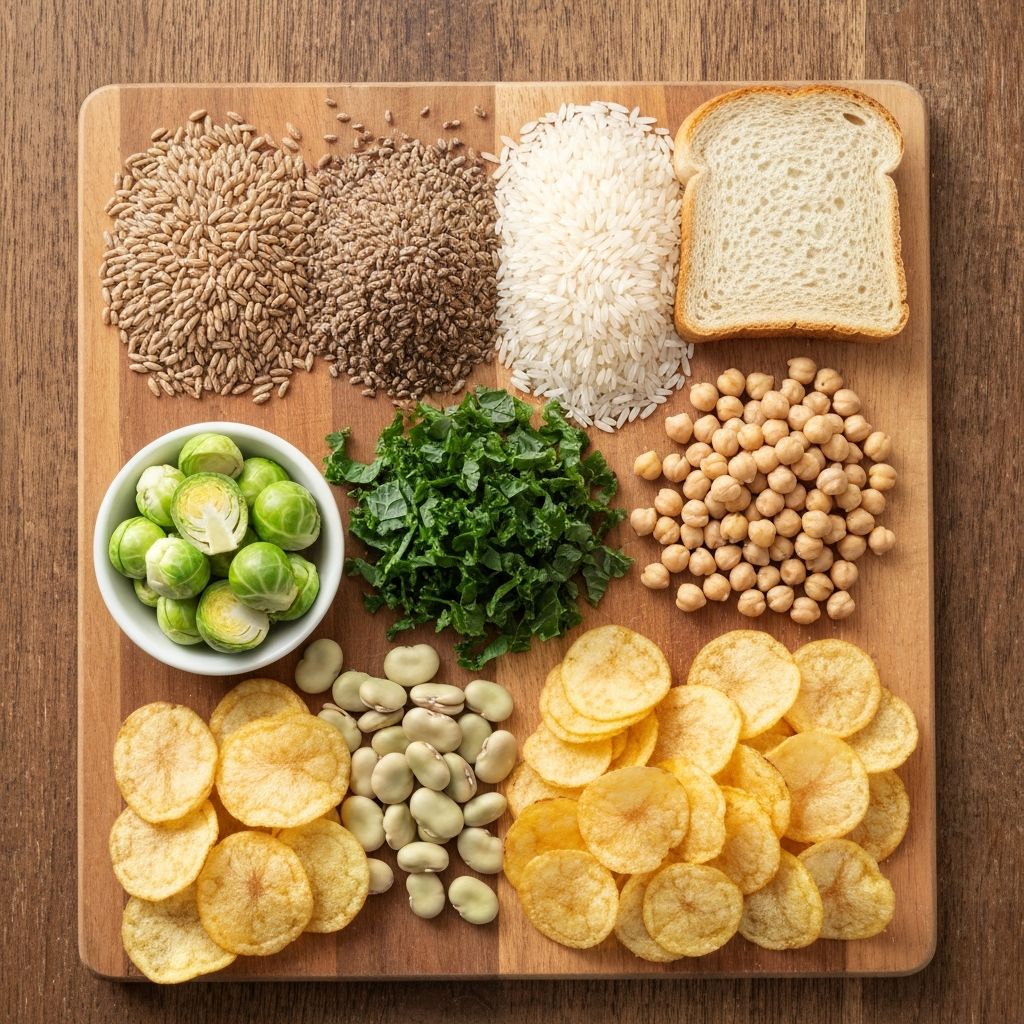
Most high-fibre foods are also high in water content and low in added fats, resulting in inherently low energy density. Vegetables, whole grains, legumes, and fruits—all excellent fibre sources—typically contain 1–3 kilocalories per gram, substantially lower than refined grain products or high-fat foods.
Practical Implications
The low energy density of fibre-rich foods means that larger quantities can be consumed for similar caloric intake compared to low-fibre, high-fat alternatives. A large salad of mixed vegetables and legumes may provide similar calories to a much smaller portion of fried foods, yet offer substantially greater volume and physical satiety stimulus.
Energy Density and Satiety in Everyday Eating
Portion Size and Volume
Many factors beyond caloric content influence how much food individuals choose to consume, including portion sizes, visual appearance, and learned eating patterns. Lower-energy-density foods naturally allow larger portions for equivalent calories, which may influence subjective fullness and eating patterns in everyday consumption.
Short-Term Research Observations
Controlled feeding studies have examined the relationship between energy density and food intake. Such studies generally observe higher absolute food consumption (by weight or volume) when lower-energy-density foods are provided, along with similar or lower total caloric intake compared to high-energy-density alternatives. However, these are laboratory observations and may not fully translate to real-world eating patterns.
Individual Eating Behaviours
How energy density influences an individual's food choices and intake in real life depends on numerous factors including taste preferences, cultural food habits, economic constraints, cooking skills, and personal eating patterns. Energy density is one of many factors that influence dietary patterns.
Fibre Sources and Comparative Energy Density
Whole Grains versus Refined Grains
Whole grain bread contains approximately 10–12 grams of fibre per 100 grams, whilst refined white bread contains approximately 2 grams. The energy density of whole grain bread (approximately 265 kcal per 100g) is only slightly higher than refined bread (approximately 265 kcal per 100g), but the fibre content differs dramatically. This means the same caloric intake from whole grains provides more fibre and greater volume.
Legumes
Cooked legumes (lentils, beans, chickpeas) provide approximately 7–8 grams of fibre per 100-gram cooked portion with approximately 100–120 kilocalories. This represents extremely low energy density and high fibre concentration.
Vegetables and Fruits
Most vegetables and fruits contain 1–4 grams of fibre per 100 grams with energy density of 20–60 kilocalories per 100 grams. These represent some of the lowest-energy-density foods available in typical food environments.
Individual Variation in Response to Energy Density
Individual responses to energy density vary based on satiety sensitivity, eating patterns, and learned associations with foods. Some individuals respond strongly to volume-based satiety cues, making low-energy-density foods particularly influential on their intake patterns. Others may be less sensitive to these cues, or their intake may be influenced more by taste, social factors, or psychological associations with food.
Energy Density in the Context of Overall Diet Quality
Energy density represents one characteristic of foods, but overall dietary quality encompasses other factors including micronutrient density, food additives, and processing methods. High-fibre, low-energy-density foods are also typically excellent sources of vitamins, minerals, and phytochemicals, contributing to overall dietary quality beyond their effect on energy density alone.
Key Takeaway
Dietary fibre, particularly in whole grains, legumes, vegetables, and fruits, is associated with low energy density—meaning more food mass and greater volume for fewer calories compared to refined or high-fat alternatives. This characteristic may influence food intake and dietary patterns in everyday eating, though individual responses to energy density vary based on multiple physiological and behavioural factors.
Educational content only. This article explains the relationship between fibre and energy density. Individual responses to food and dietary patterns are complex and vary widely. Consult qualified healthcare providers for personalised guidance.